



Our Solution Provides You With Great Experiences
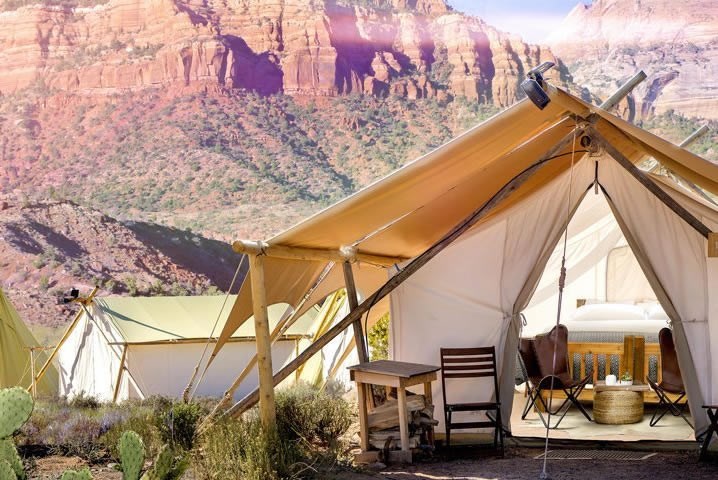
Consider a “Glamping” Trip for your Next Silent or Live Auction
Glamping (glamorous camping) is all the rage all of a sudden. Companies like UnderCanvas.com have successfully raised venture funding and are doing a terrific job of providing a top notching glamping experience for their clients. Geronimo Solutions is now able to...
Fundraisers: Silent and Live Auctions – The Painful Truths of Consignment
We are often asked by non-profit event organizers to compare our program to “consignment” programs that they may have used (and typically have had bad experiences with). We did a little research, and we quickly discovered why so many non-profits shy away from...

PTO Fundraising Auction Success
Has your PTO spent quality time engaging parents and building solid support? Perhaps it’s time to put the PTO to the ultimate test…a fundraising auction! While fundraising auctions require a great deal of time investment they can reap the greatest benefit for your...
For Charities: A Unique Fundraiser and New Auction Tools
Sometimes the hardest part about charity fundraising events is finding items to add to live and silent auctions that actually raise money. Especially vacations! We are excited to unroll a new way to find already donated vacations for auctions. Whether you are working...

Increase Awareness of Your Cause at the Holidays
The Winter Holidays seem to bring out the best in us. Not only does volunteerism increase, but the desire to “do something” is at a high for the year and research shows that giving increases in November and December. Whether donors start looking at tax deductions or...